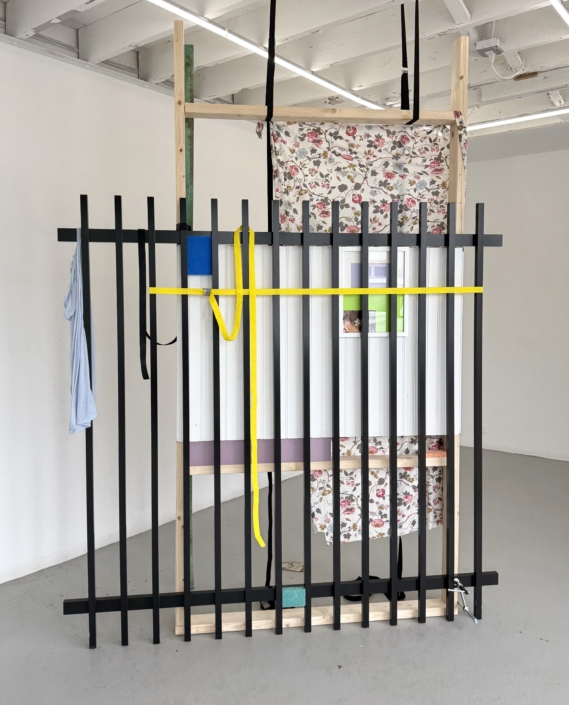
State of Transition—Leyden Rodríguez-Casanova
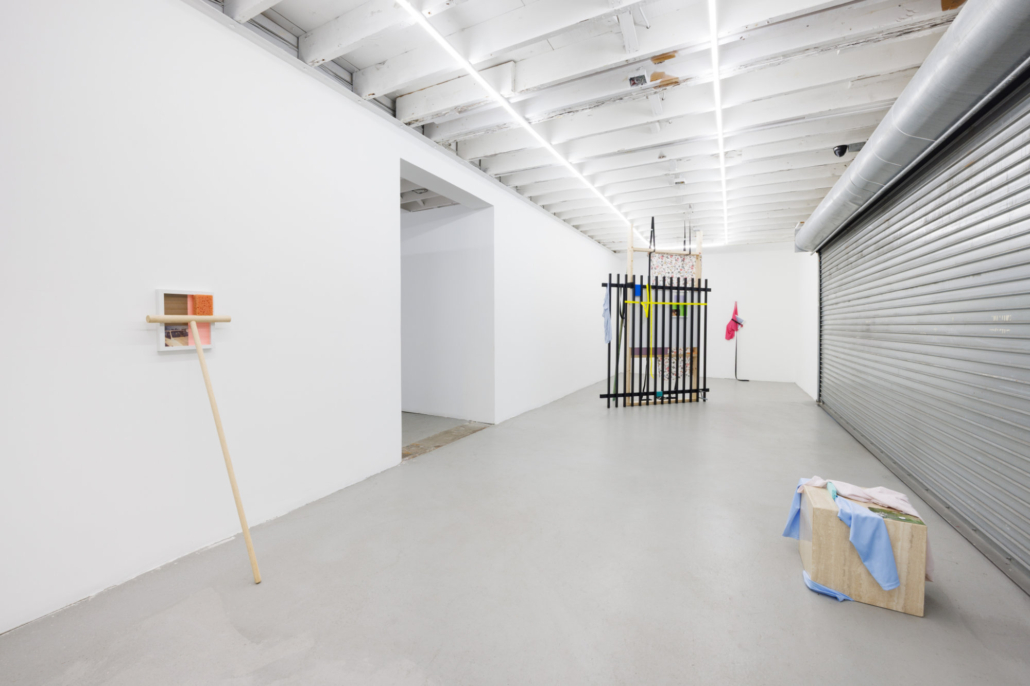
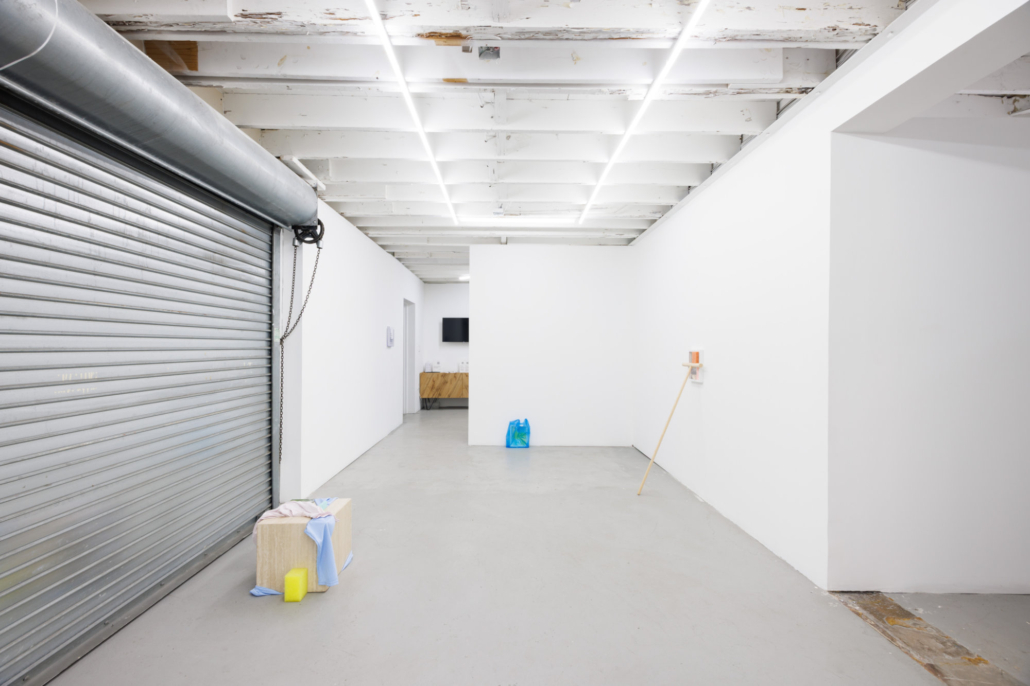
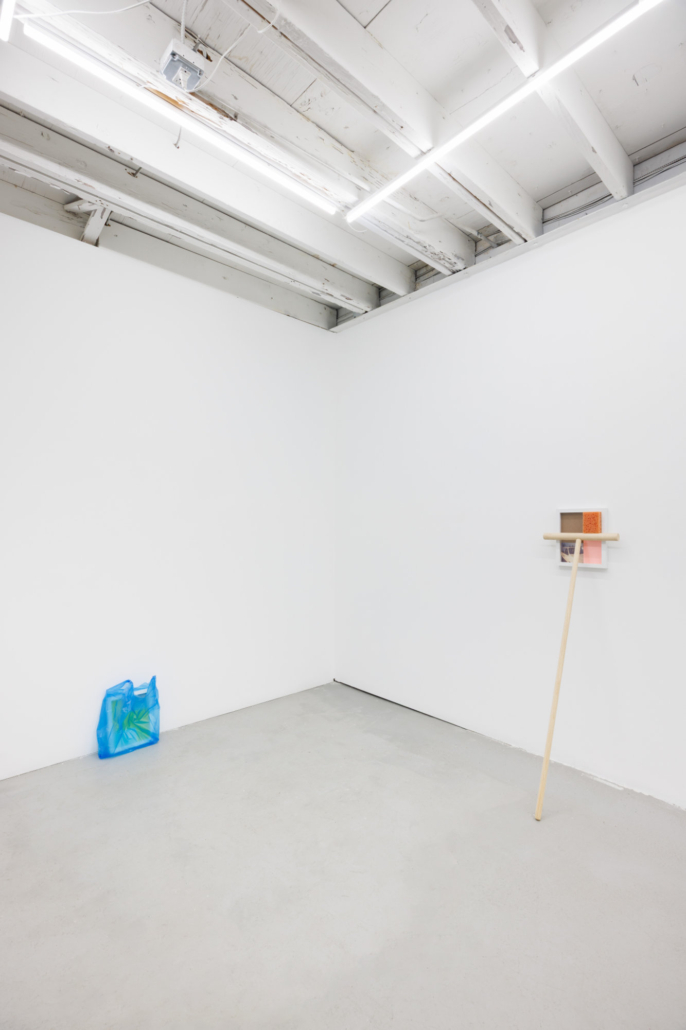
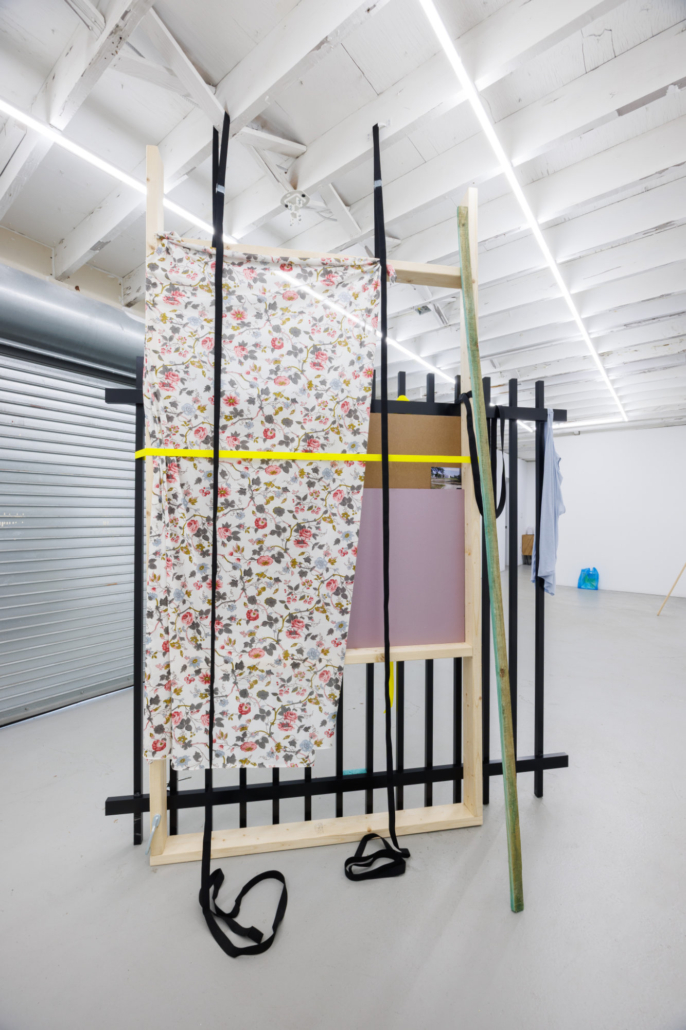
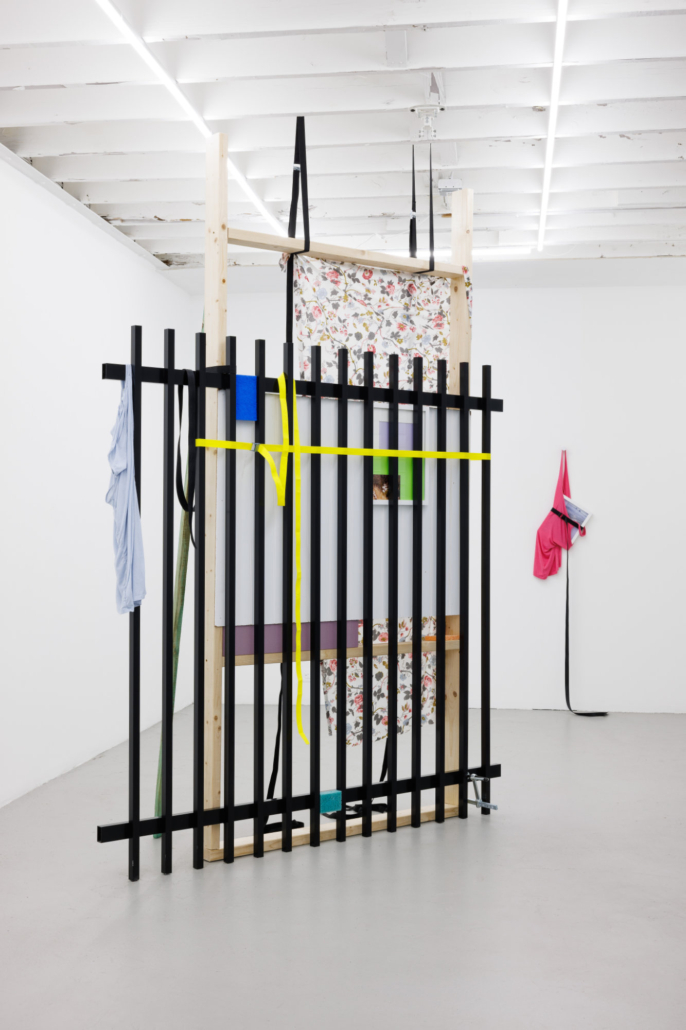
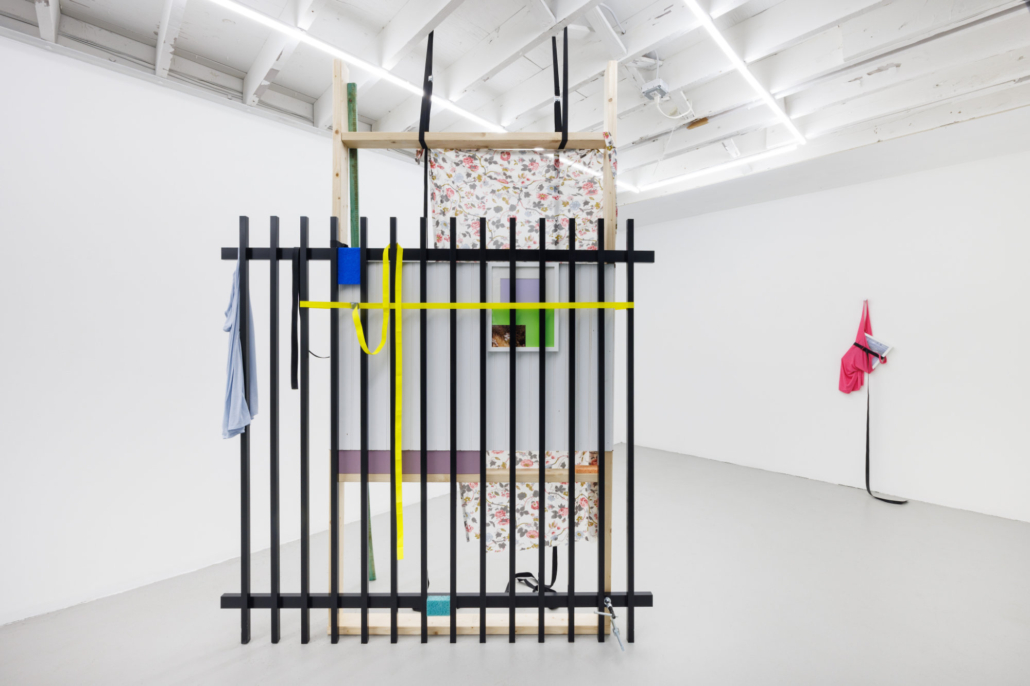
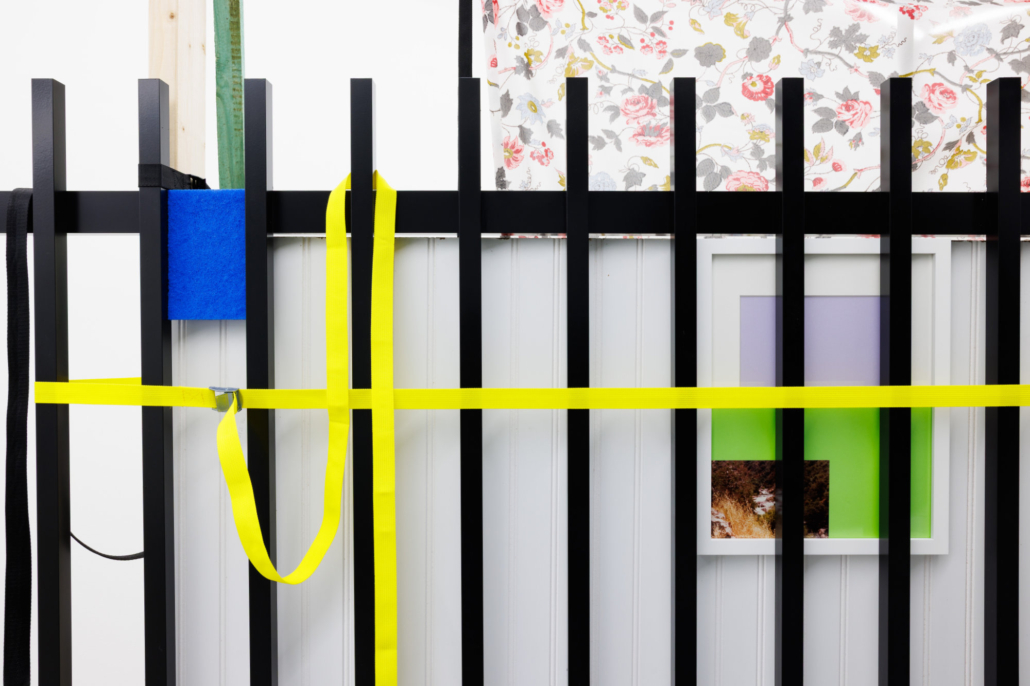
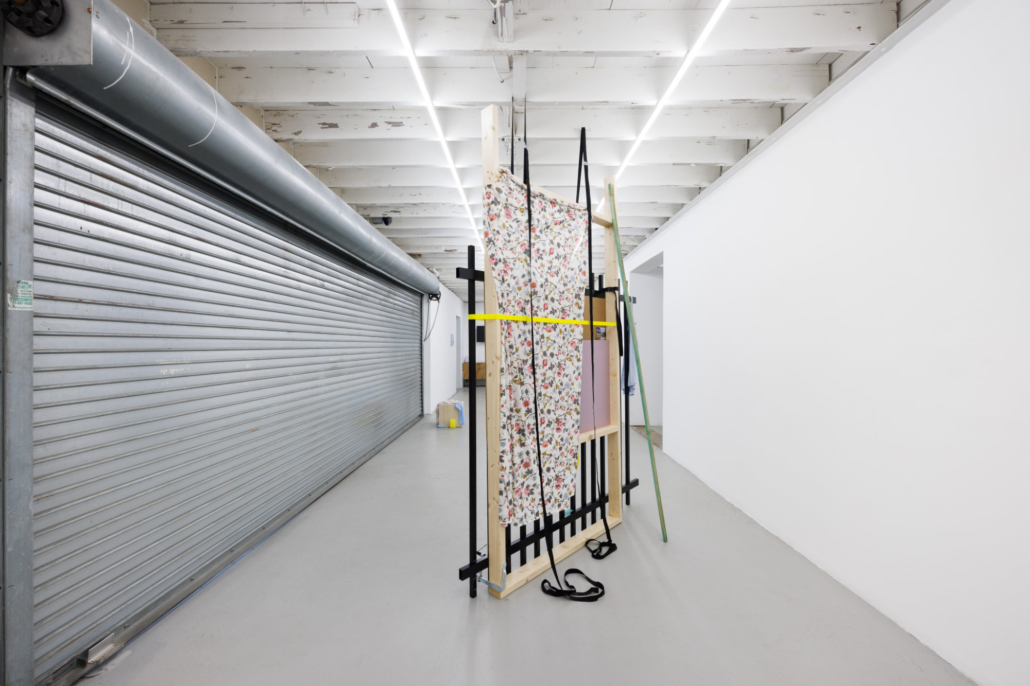
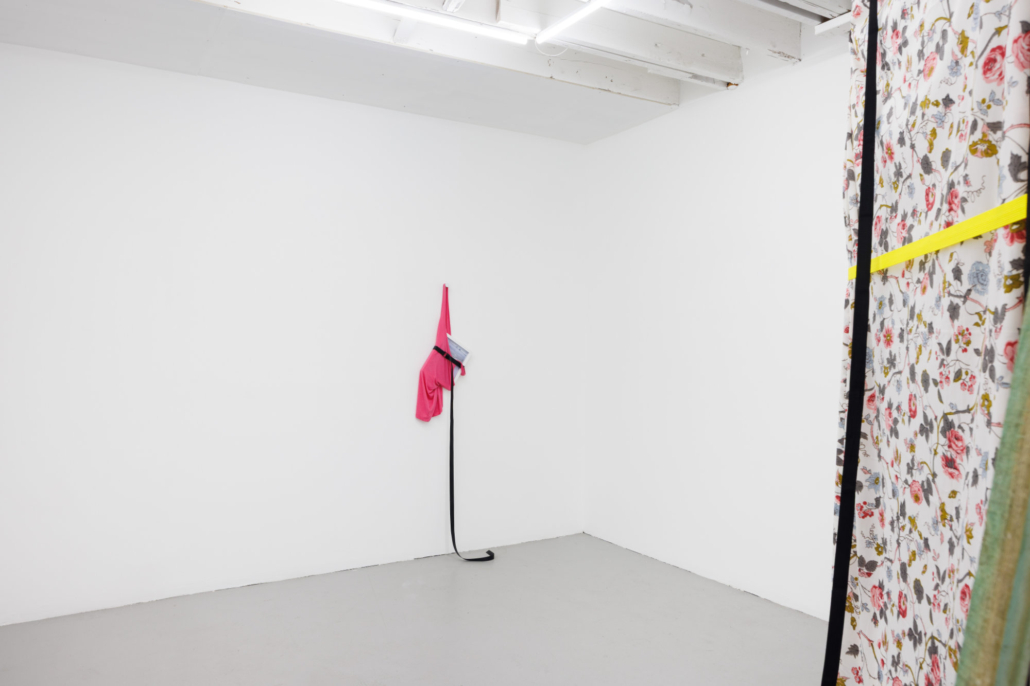
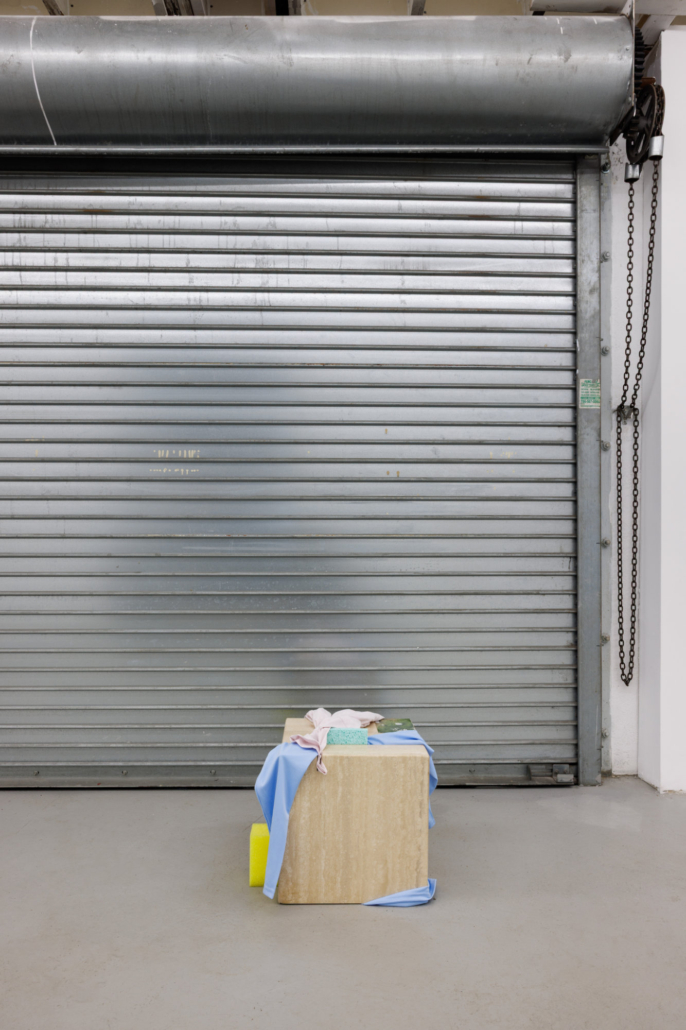
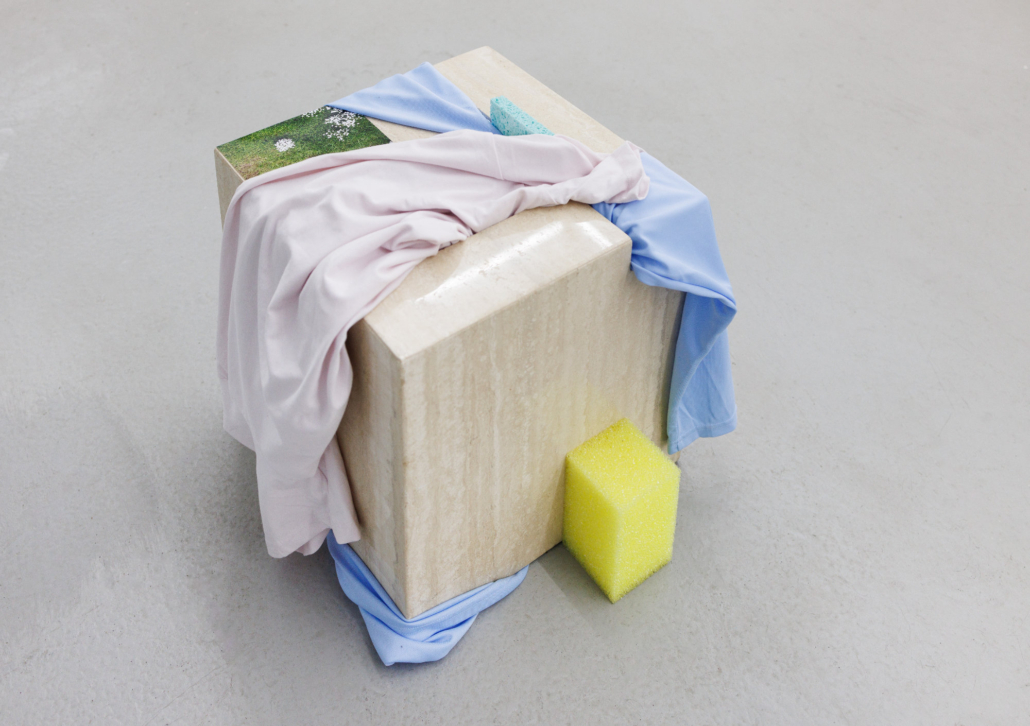
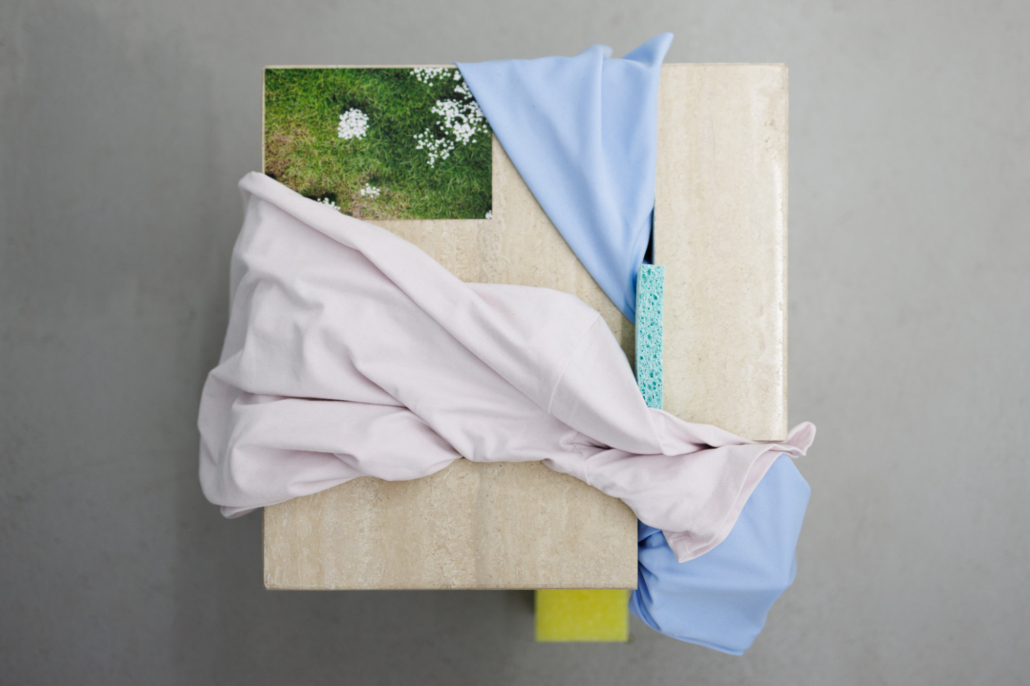
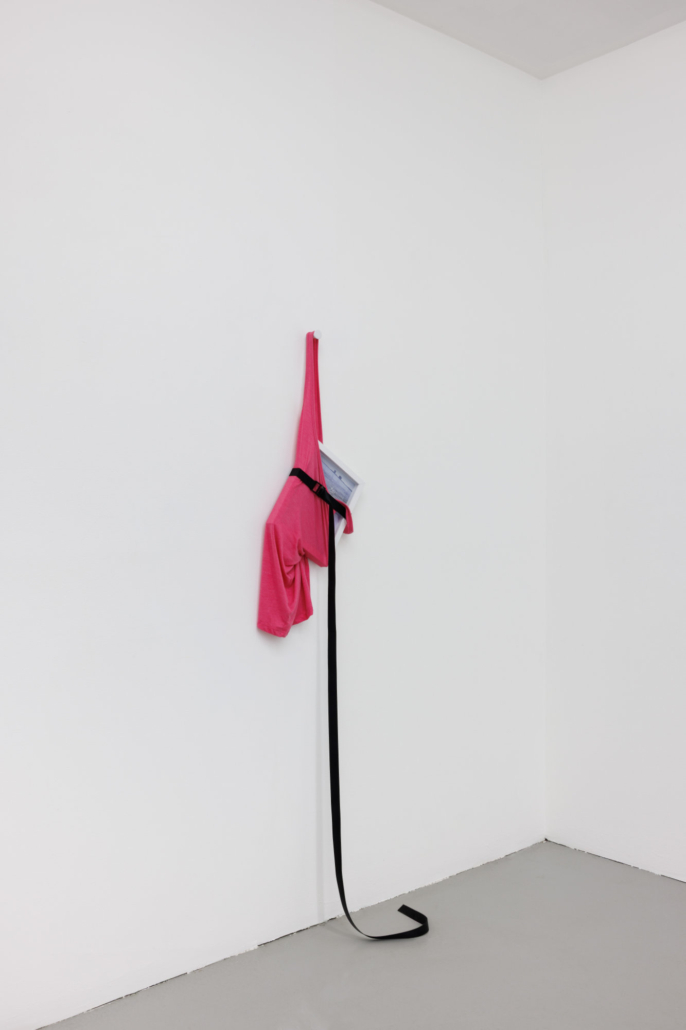
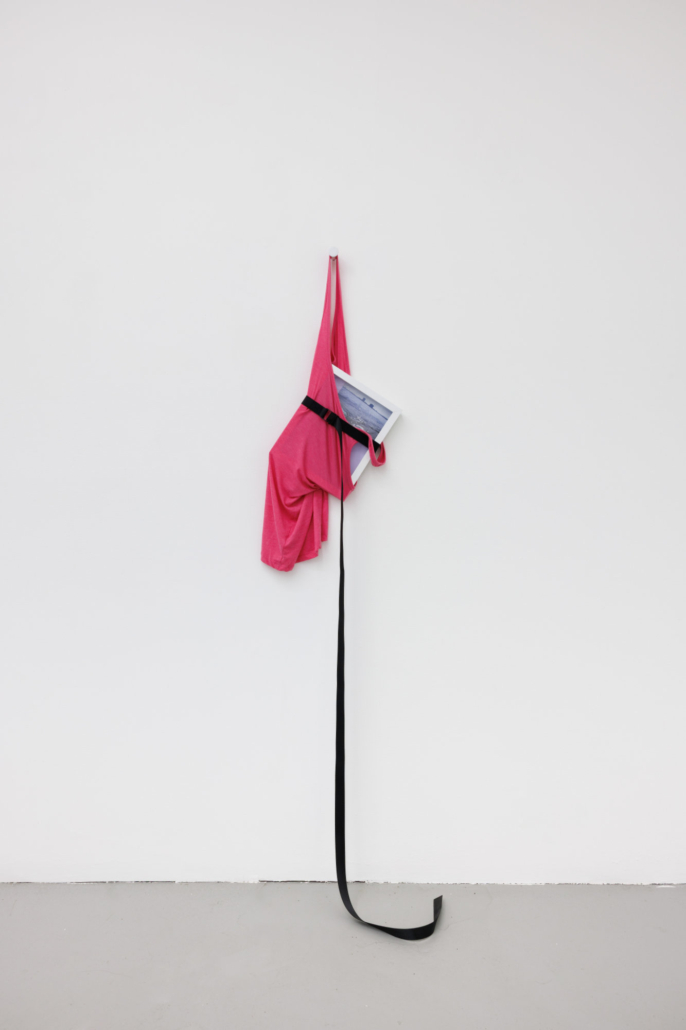
Dimensions Variable (DV) presents a solo project titled State of Transition by Leyden Rodríguez-Casanova. The exhibition opens on June 10, 2026, and runs through September 5, 2026.
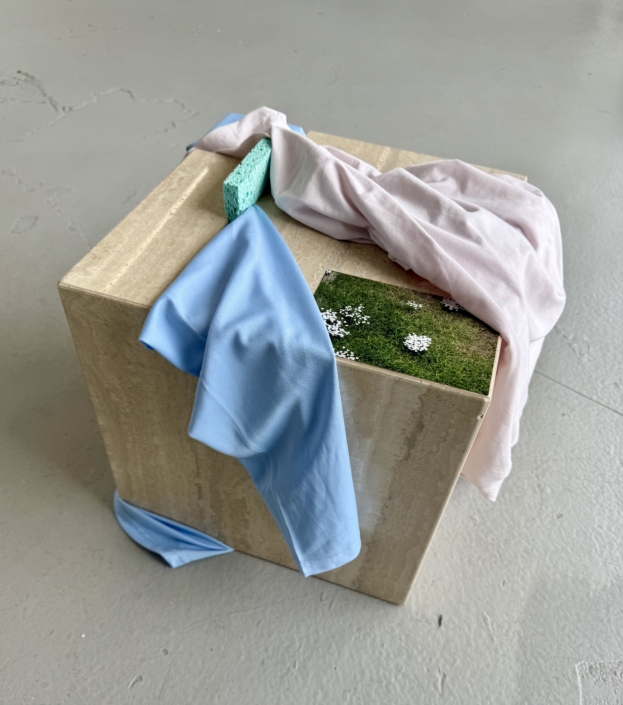
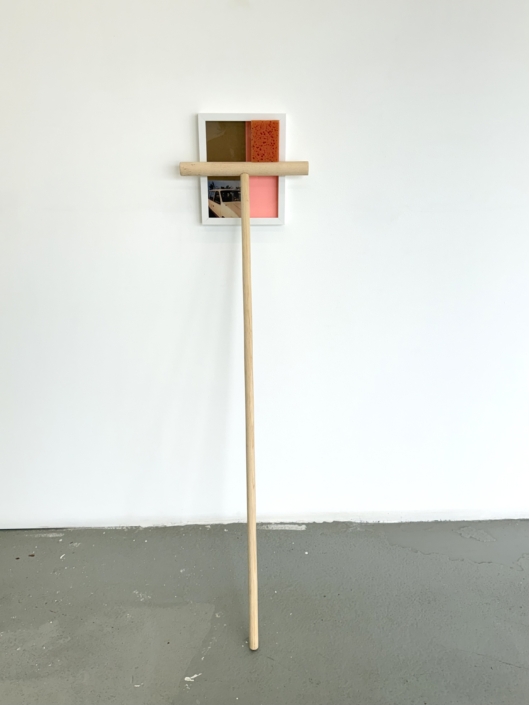
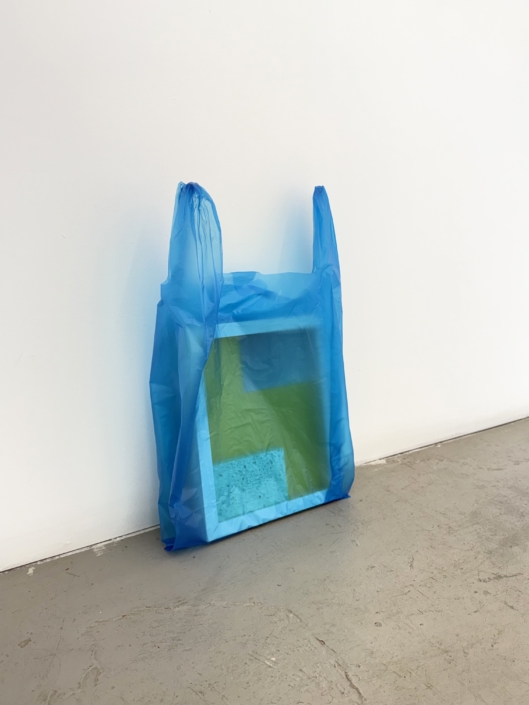
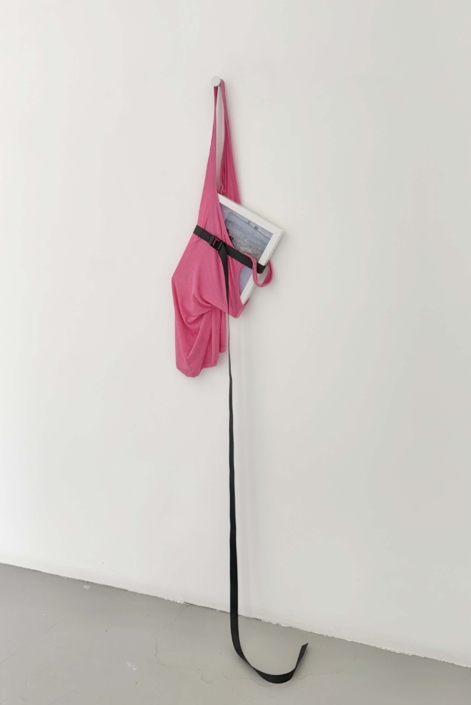
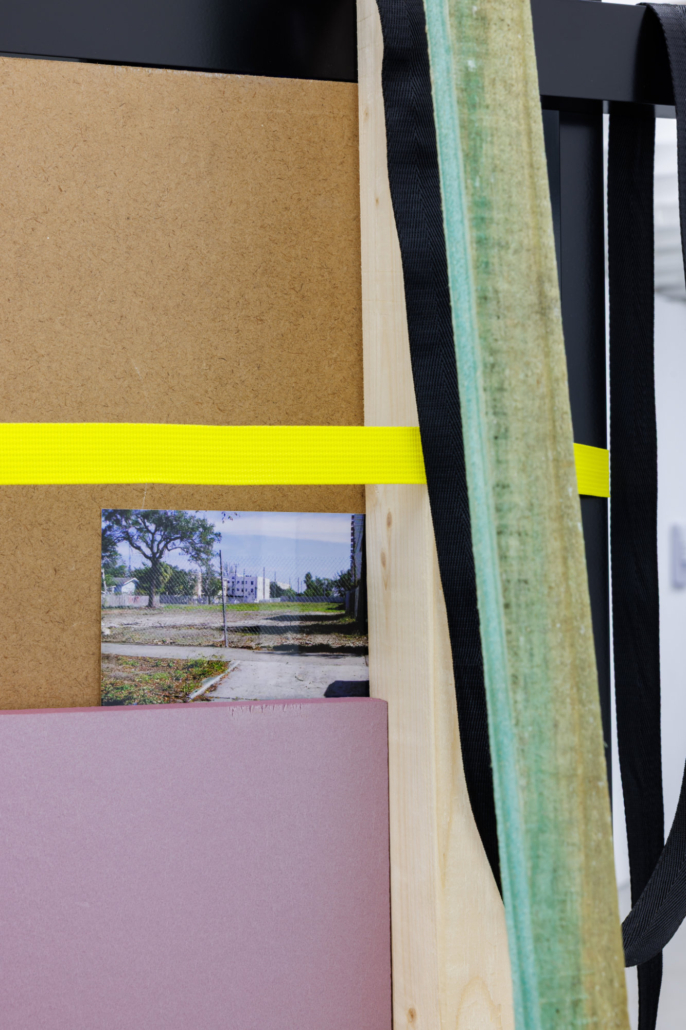
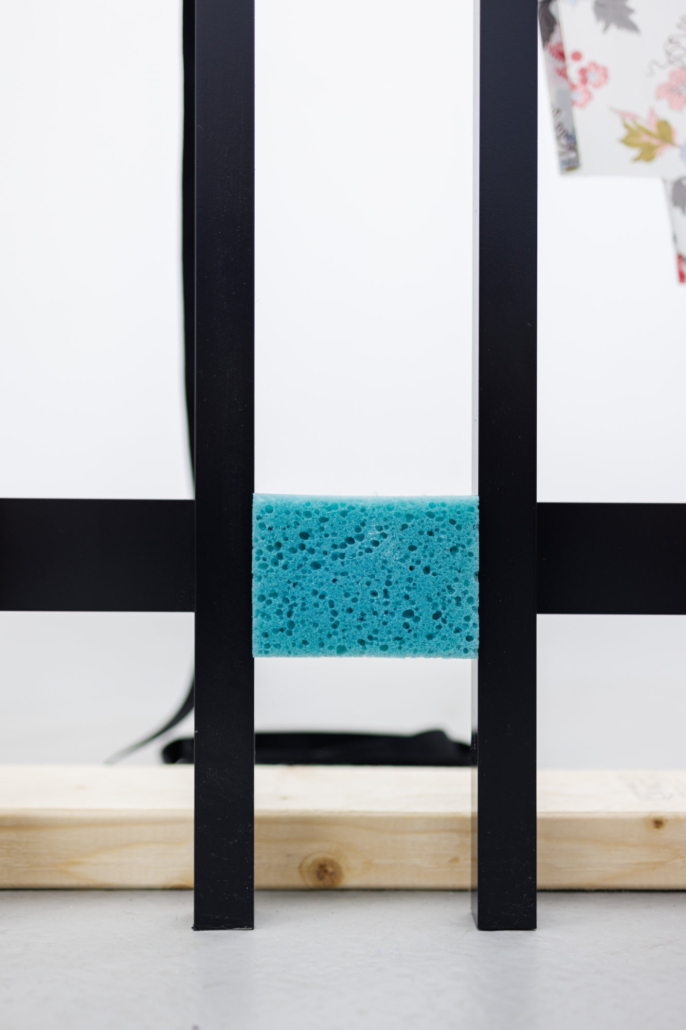
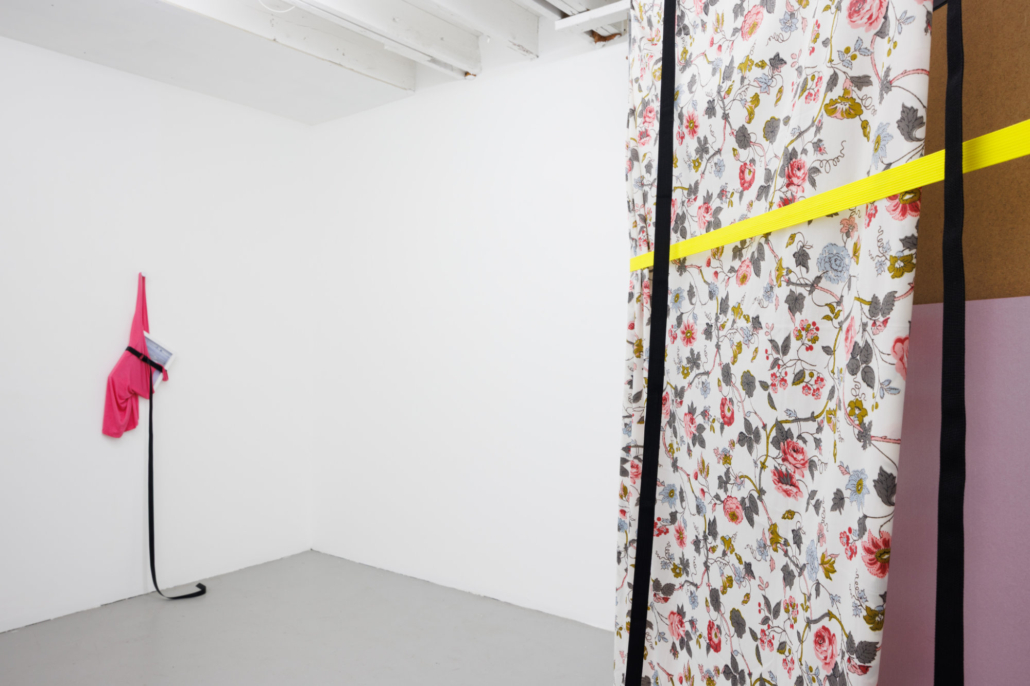
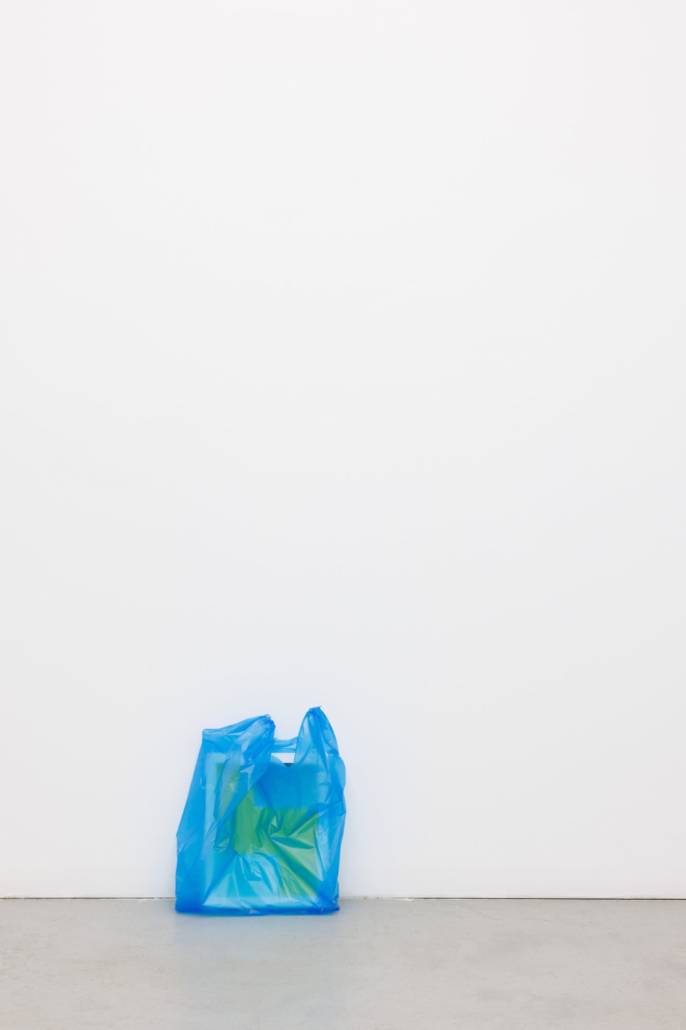
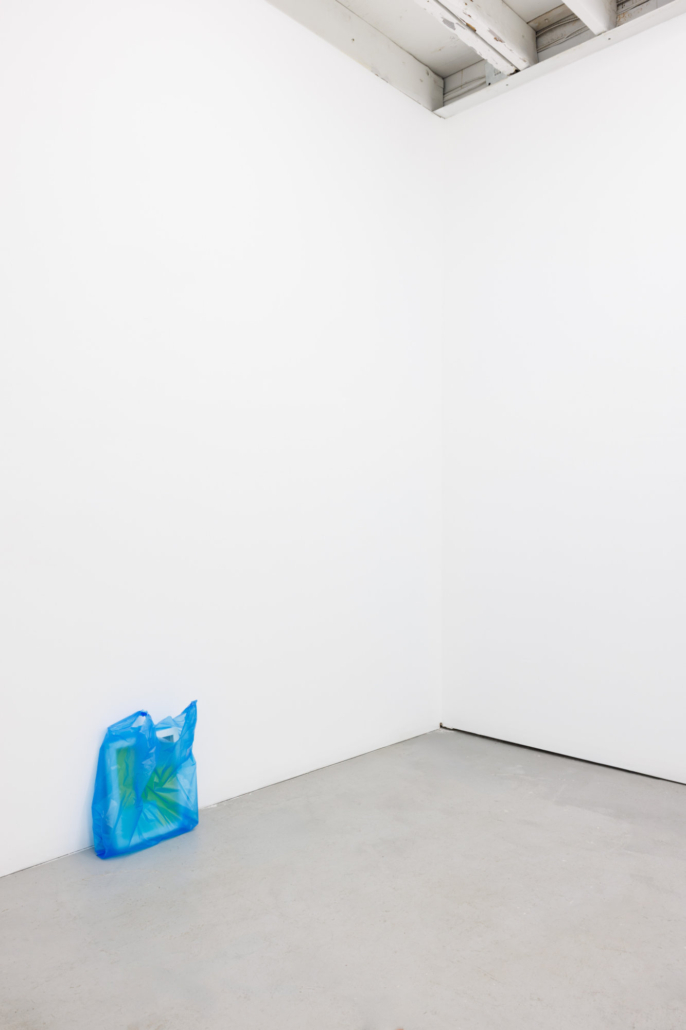
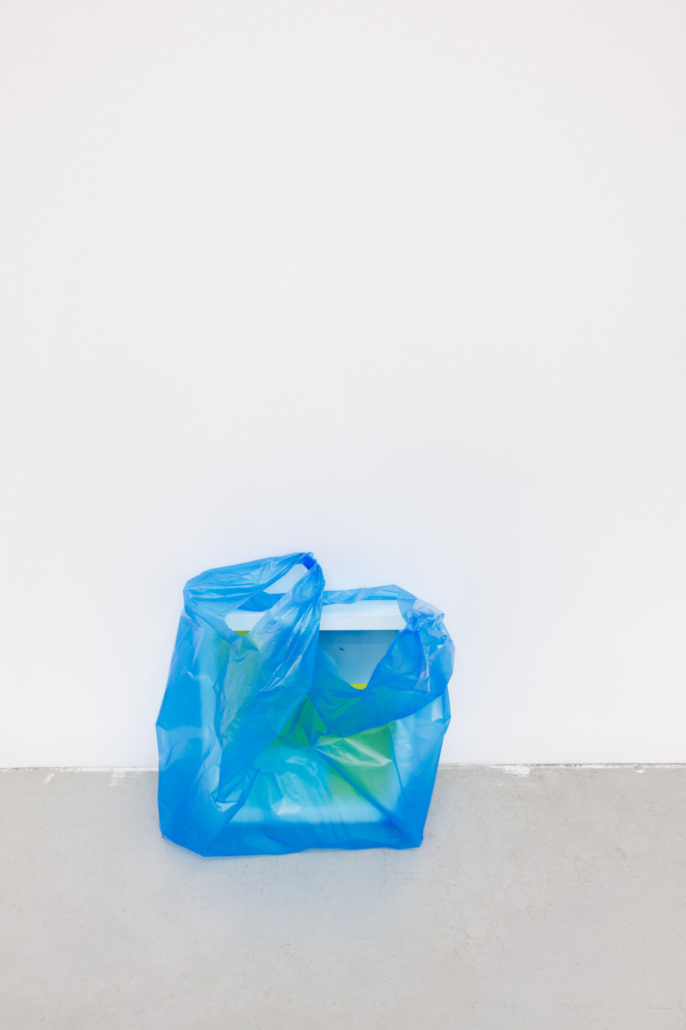
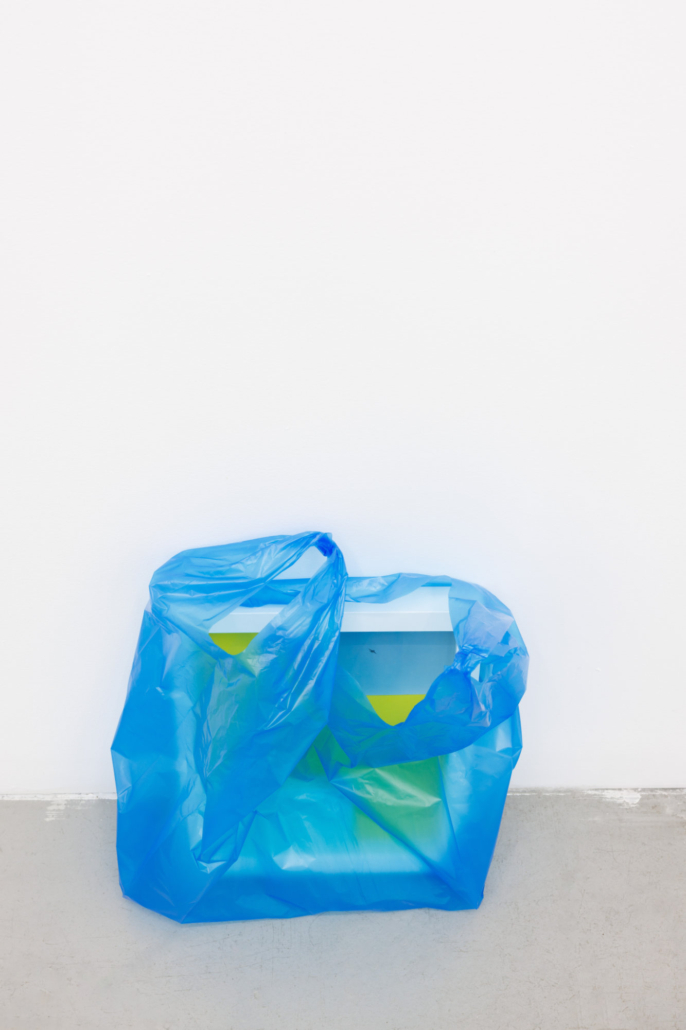
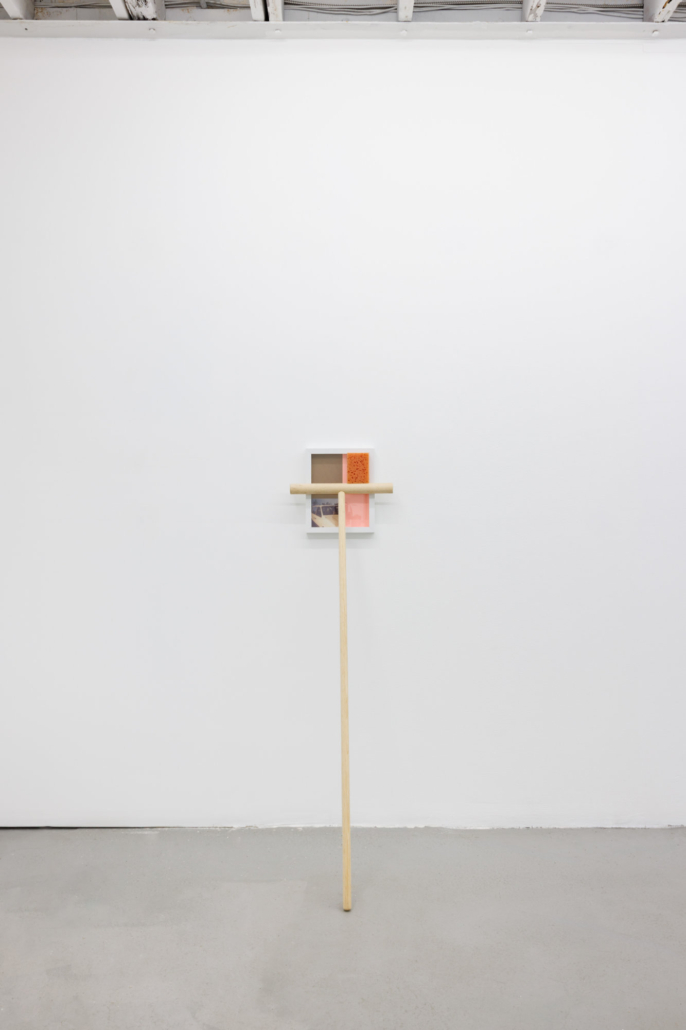
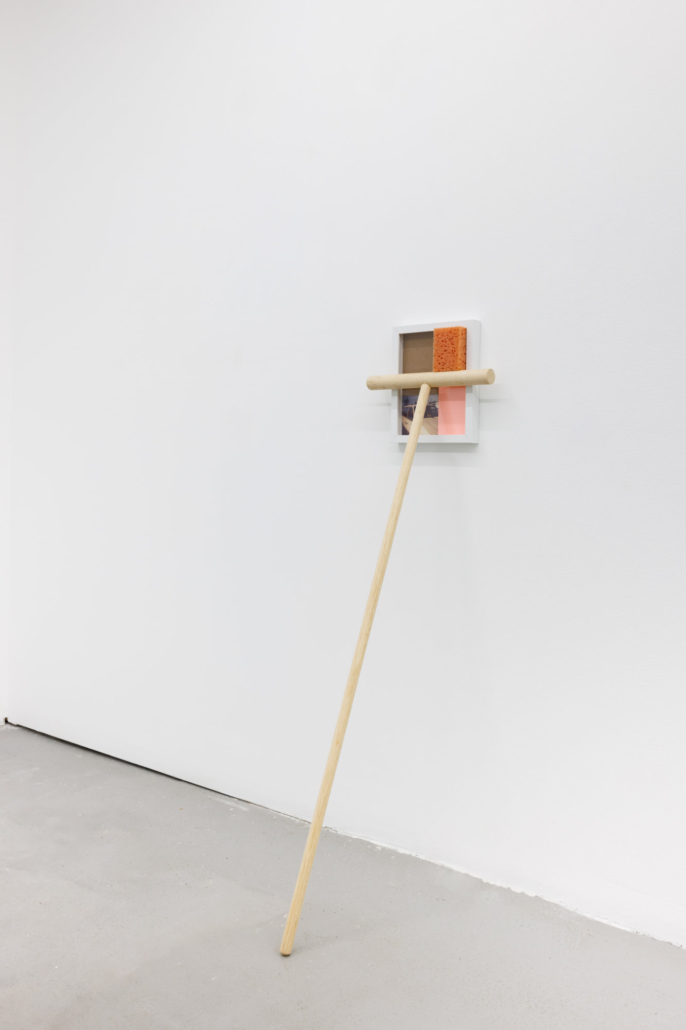
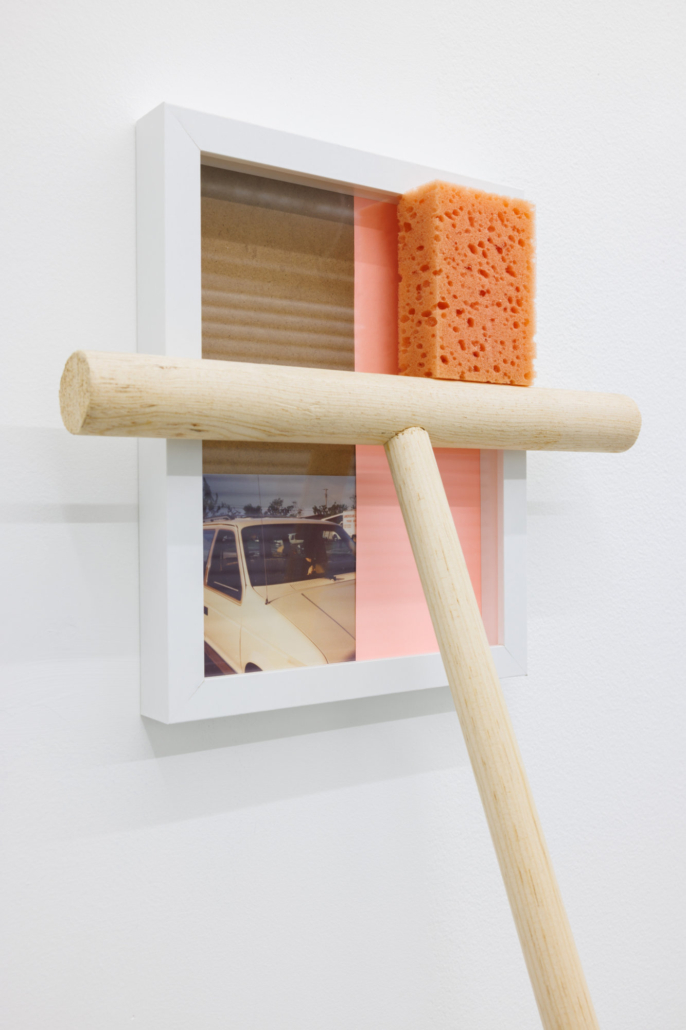
State of Transition grows from Rodríguez-Casanova’s sustained investigation into the material systems that shape daily life at the margins—the gates, construction materials, mass-produced domestic objects, and industrial hardware that populate the spaces of the working class and the displaced. Born in Havana, Cuba, in 1973, Rodríguez-Casanova immigrated to the U.S. as a child during the Mariel boatlift, crossing the Straits of Florida as part of one of the largest and most perilous mass migrations in Cuban history. That experience—of threshold, of departure, of a life bundled up and carried toward an uncertain shore—is the biographical and emotional foundation of his practice, and it connects his story to the millions of people who continue to risk their lives across the world’s most dangerous migration routes: the Sonoran Desert, the Mediterranean Sea, the Darién Gap, the rivers of the Texas borderlands, and the ninety miles of open water between Cuba and South Florida.
At the center of the exhibition is a question about the fine and often invisible line between restraint and protection—between the act of being held in place and the act of holding things together. As Gaston Bachelard argued in The Poetics of Space, inhabited space carries within it the very essence of home.¹ But what happens to that idea when home is not a place of dwelling but a place of departure and transition? When do the objects of everyday life become the things you gather and carry toward an uncertain horizon? Rodríguez-Casanova’s practice has long explored these questions through the material logic of everyday objects—what Arjun Appadurai identified as the “social life of things,” the capacity of objects to accumulate meaning as they move across different contexts, economies, and hands.² Here, those same objects are pressed into new urgency as the material vocabulary of migration and escape.
The research grounding State of Transition draws on the work of anthropologist Jason De León, whose Undocumented Migration Project has cataloged nearly 10,000 objects left by migrants crossing the Sonoran Desert in Arizona.³ De León’s fieldwork documents not only the ordinary evidence of crossing—discarded shoes, water bottles, torn clothing—but also the intentional traces left by people who knew they were risking their lives: rosaries hung from the branches of desert trees, prayer cards tucked into rock crevices, makeshift shrines stocked with crucifixes and images of Santo Toribio Romo, the saint believed to watch over migrants.⁴ These acts of trace-making—the need to say I was here, I was trying—speak to an impulse that runs across every migration route in the world.⁵ They have been shaped, in no small part, by deliberate policy: the U.S. enforcement strategy known as Prevention through Deterrence systematically funneled migrants into remote and lethal terrain, producing a recorded death toll in Arizona alone that has exceeded 4,400 since 2000.⁶
State of Transition takes its conceptual bearings from Homi Bhabha’s notion of the “third space”—the liminal zone between cultures and histories where fixed identities come undone and new ones are only beginning to form.⁷ The work of Colombian sculptor Doris Salcedo offers an important precedent: her practice, driven by what she describes as “the obsessive need to render visible the experiences of the most vulnerable and most anonymous victims of political violence,” uses the domestic object and the materiality of mourning to hold contradictions that cannot be resolved, only witnessed.⁸ State of Transition asks its viewers to stand inside those same contradictions—to recognize in the compressed materials of the threshold an experience that belongs to millions of people alive today, including those who have found their way to the U.S.
—
- Gaston Bachelard, The Poetics of Space, trans. Maria Jolas (New York: Penguin Books, 2014 [1958]), 5.
- Arjun Appadurai, ed. The Social Life of Things: Commodities in Cultural Perspective (Cambridge: Cambridge University Press, 1986), 3–5.
- Jason De León, “About,” Undocumented Migration Project, undocumentedmigrationproject.org/about. Accessed May 2026.
- “The Journey to El Norte,” Archaeology Magazine, January/February 2011, archive.archaeology.org/1101/features/border.html; “Border Crossing: Material Culture & Experience,” COMPAS, University of Oxford, compas.ox.ac.uk.
- Jason De León, The Land of Open Graves: Living and Dying on the Migrant Trail (Oakland: University of California Press, 2015), 6.
- No More Deaths / No Más Muertes, “Water Not Walls,” nomoredeaths.org; Humane Borders, humaneborders.org. See also Jason De León, “Undocumented Migration, Use Wear, and the Materiality of Habitual Suffering in the Sonoran Desert,” Journal of Material Culture 18, no. 4 (2013): 321–345.
- Homi K. Bhabha, The Location of Culture (London: Routledge, 1994), 2; “The Third Space,” Mead Art Museum, Amherst College, 2008, amherst.edu/museums/mead/exhibitions/2008/thirdspace.
- Doris Salcedo, artist statement, White Cube Gallery, whitecube.com/artists/doris-salcedo; Mary Schneider Enriquez, Doris Salcedo: The Materiality of Mourning (Cambridge: Harvard Art Museums, 2016).
This exhibition is made possible in part by The Ellies, Oolite Arts Awards, 2026 Creator Award.
Leyden Rodríguez-Casanova
Leyden Rodríguez-Casanova (b. 1973 in Havana, Cuba) is an artist, curator, and co-founding director of Dimensions Variable (DV), operating between Miami and Lyndhurst. He attended the Ringling School of Art and Design and the New World School of the Arts. Rodríguez-Casanova has received several prestigious awards, including the Cintas Foundation Fellowship in Visual Arts, two South Florida Cultural Consortium Fellowships, the Felix Gonzalez-Torres Visiting Artist Grant at FIU, and Ville de Paris-Culturesfrance in Paris. He has also been nominated for the Joan Mitchell and United States Artists Fellowships. His projects have garnered support from organizations such as the National Endowment for the Arts, the Warhol Foundation for the Visual Arts, Miami-Dade County, and the State of Florida. He has been recognized multiple times as a Knight Foundation award winner, honored as a Knight Arts Champion, and received an Ellies Creator Award.
His work has been exhibited widely at prestigious venues, including the Sculpture Center, Socrates Sculpture Park, Abrons Arts Center, Anina Nosie Gallery, and White Box, all in New York. Internationally, his work has been displayed at the Museo de Bellas Artes and Factoria Habana in Havana, Cuba; ZONA MACO Arte Contemporaneo in Mexico City, Mexico; Capri Palace and Villa Lena in Italy; and Prosjektrom Normanns in Stavanger, Norway. Additionally, he has exhibited at Shoshana Wayne Gallery in Los Angeles, Casa Riegner in Bogotá, Colombia, as well as several renowned spaces in Miami, such as PAMM, Frost Museum FIU, The Bass, MOCA, Mindy Solomon Gallery, Fredric Snitzer Gallery, David Castillo Gallery, Emerson Dorsch, Locust Projects, Untitled Art, and Dimensions Variable.
His work is included in various public and private collections, such as the Pérez Art Museum Miami (PAMM), the Frost Museum of Art, the CIFO Collection, the Cintas Foundation, the Sayago Collection, the Tonino Cacace Collection, the Villa Lena Foundation, and The Bass. His projects have been featured in several notable publications, including The New York Times, The Miami Herald, Art Nexus, Arte al Dia, Artforum, Artsy, Sculpture Magazine, Hyperallergic, The Miami Rail, and Miami Magazine. His work has appeared in select publications, including “Fortunate Objects”, published by CIFO and Edizioni Chart in Milan, and “Remains-Tomorrow: Themes in Contemporary Latin American Abstraction”, published by the Sayago Collection and Hatje Cantz in Berlin. Since co-founding DV in 2009, he has organized and curated numerous projects featuring both local and international emerging artists.